Automotive electrical issues can be daunting, especially when they impact your vehicle’s lighting, which is crucial for safety and visibility. Understanding how to troubleshoot problems with your car’s Electrical & Lighting System Parts equips you to diagnose faults quickly and possibly fix them, saving time and money. Whether you face flickering headlights, dim interior lights, or a dashboard warning, pinpointing the electrical cause is the first step toward reliable repair.
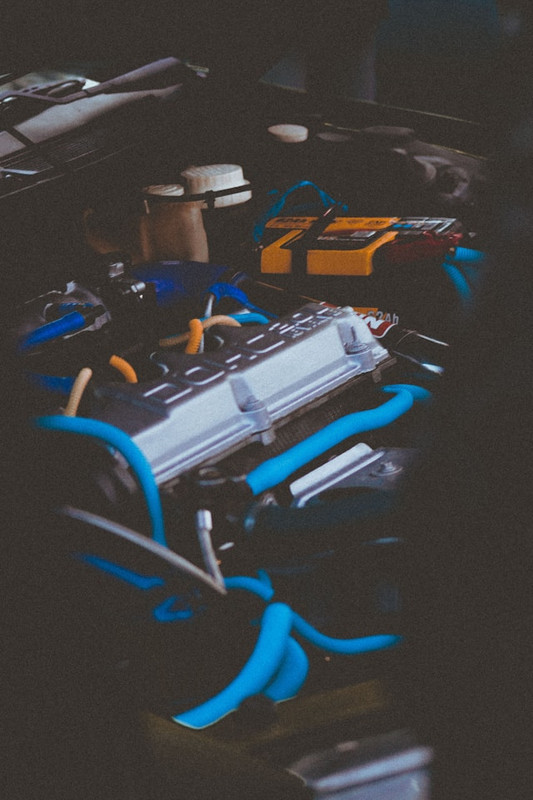
This article breaks down practical troubleshooting steps for electrical issues related to lighting systems. For those interested in comprehensive car care, this knowledge complements insights from resources like Ferrari Repair vs. Maintenance: Key Differences Every Abu Dhabi Driver Should Know.
Common Electrical Problems Linked to Light Systems
-
Flickering or dim exterior or dashboard lights
-
Lights that fail to turn on completely
-
Warning indicators showing electrical faults
-
Intermittent or complete failure of interior illumination
-
Blown fuses or malfunctioning switches
Essential Electrical & Lighting System Parts for Troubleshooting
-
Battery: Powers all electrical components.
-
Fuses & Relays: Protect circuits and control power distribution.
-
Wiring Harnesses: Deliver current between components; vulnerable to wear and corrosion.
-
Switches: Control lighting functions from the driver's controls.
-
Light Bulbs and LEDs: Energy sources with limited lifespan that may burn out.
-
Control Modules: Manage complex lighting systems and diagnostics.
Step-by-Step Troubleshooting Guide
1. Check the Basics: Battery and Fuses
-
Inspect the battery terminals for corrosion or loose connections.
-
Use a multimeter to test battery voltage; a healthy charge is around 12.6 volts when off and 13.8-14.4 volts when running.
-
Examine fuses and relays linked to lighting circuits. Replace any blown fuses matching the amperage rating exactly.
2. Inspect Wiring and Connectors
-
Look for damaged, frayed, or corroded wiring near lighting systems.
-
Check connectors at headlights, taillights, and dashboard panels for secure attachment and cleanliness.
3. Test Light Bulbs and LEDs
-
Remove bulbs and visually inspect for burnt filaments or discoloration.
-
Use a test light or multimeter continuity setting to verify bulb functionality.
4. Verify Switch Operation
-
Check the lighting control switches on the dashboard or steering column for mechanical faults or electrical failure.
-
Switch contacts can wear, leading to intermittent lighting issues.
5. Use Diagnostic Tools
-
Connect a code reader or scan tool to the vehicle's OBD-II port to retrieve fault codes related to lighting systems.
-
Some modern vehicles have control modules that monitor and report lighting faults.
6. Seek Professional Help for Complex Issues
-
For control module failures or persistent wiring issues, rely on certified technicians with specialized diagnostic tools.
-
Electrical repairs can be intricate and sometimes require manufacturer software for resets.
Preventive Tips for Electrical & Lighting Systems
-
Regularly inspect and clean battery terminals and connectors.
-
Avoid overloading circuits with aftermarket lighting modifications.
-
Keep wiring harnesses protected from moisture and abrasion.
-
Replace old or worn bulbs promptly to avoid burnout cascades.
-
Periodically check dashboard warning lights for early fault detection.
Key Takeaways
-
Lighting system electrical problems often stem from batteries, fuses, wiring, switches, or bulbs.
-
Basic diagnosis tools like multimeters and code readers enhance troubleshooting accuracy.
-
Careful inspection and maintenance prevent many common issues.
-
Complex faults may require professional diagnostics, especially on newer vehicles.
-
Integrating these skills with broader vehicle maintenance insights, such as Ferrari Repair vs. Maintenance, improves overall vehicle care.
Frequently Asked Questions (FAQs)
What causes headlights to flicker while driving?
Flickering can result from a weak battery, loose wiring connections, failing alternator, or defective bulbs.
Can a blown fuse affect multiple lights at once?
Yes, one fuse often controls entire lighting circuits; a blown fuse can disable several lights simultaneously.
How can I test if a car bulb is working?
Visually inspect for broken filaments or use a multimeter set to continuity to test the bulb's electrical path.
Are LED lights more reliable than traditional bulbs?
LEDs have longer lifespans and are more energy-efficient but still require proper wiring and compatible control modules.
When should I visit a professional for light system problems?
If basic fixes don't resolve the issue or if error codes point to control module faults, professional diagnostics are recommended.
Troubleshooting electrical problems using your vehicle's Electrical & Lighting System Parts is a vital skill for maintaining safety and reliability. By following this guide and using proper tools, many common issues can be identified and resolved efficiently. For deeper automotive care, explore guides like Ferrari Repair vs. Maintenance: Key Differences Every Abu Dhabi Driver Should Know.